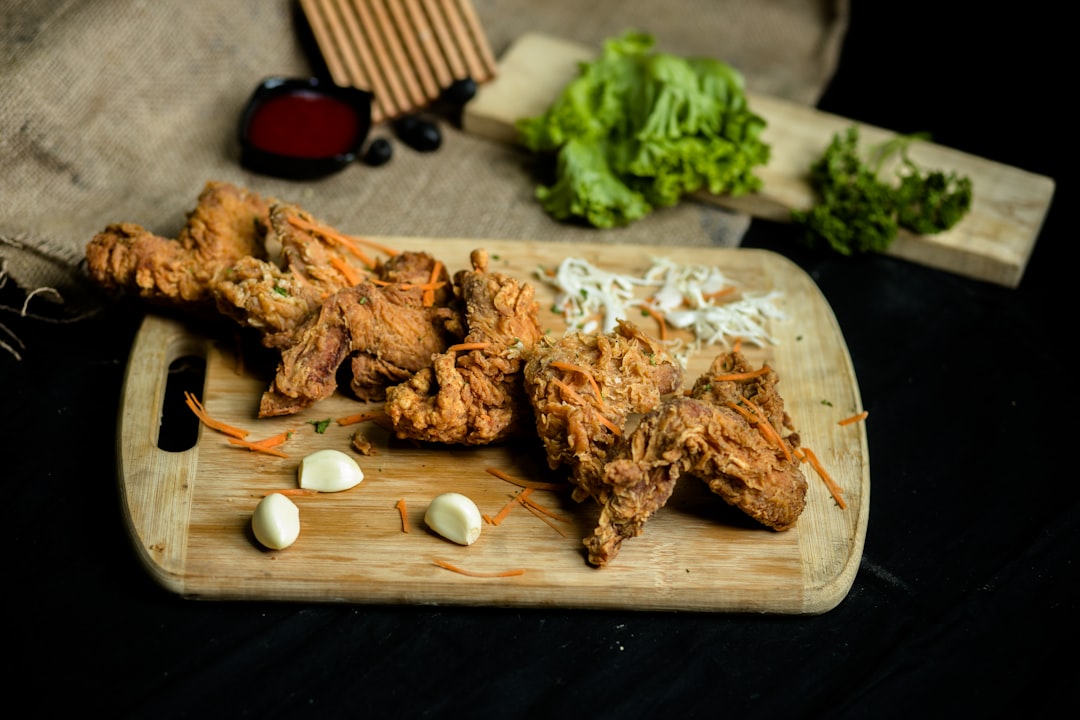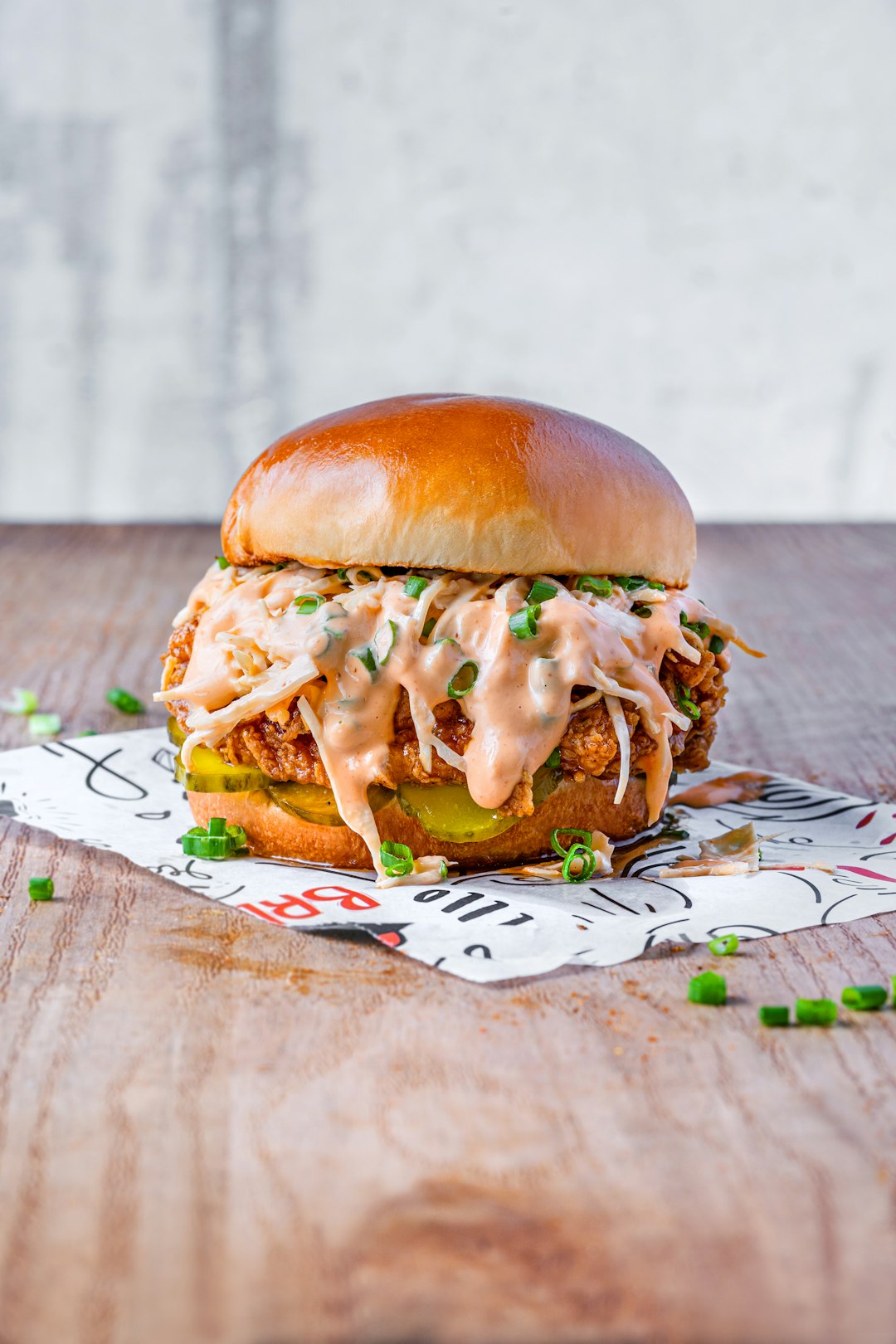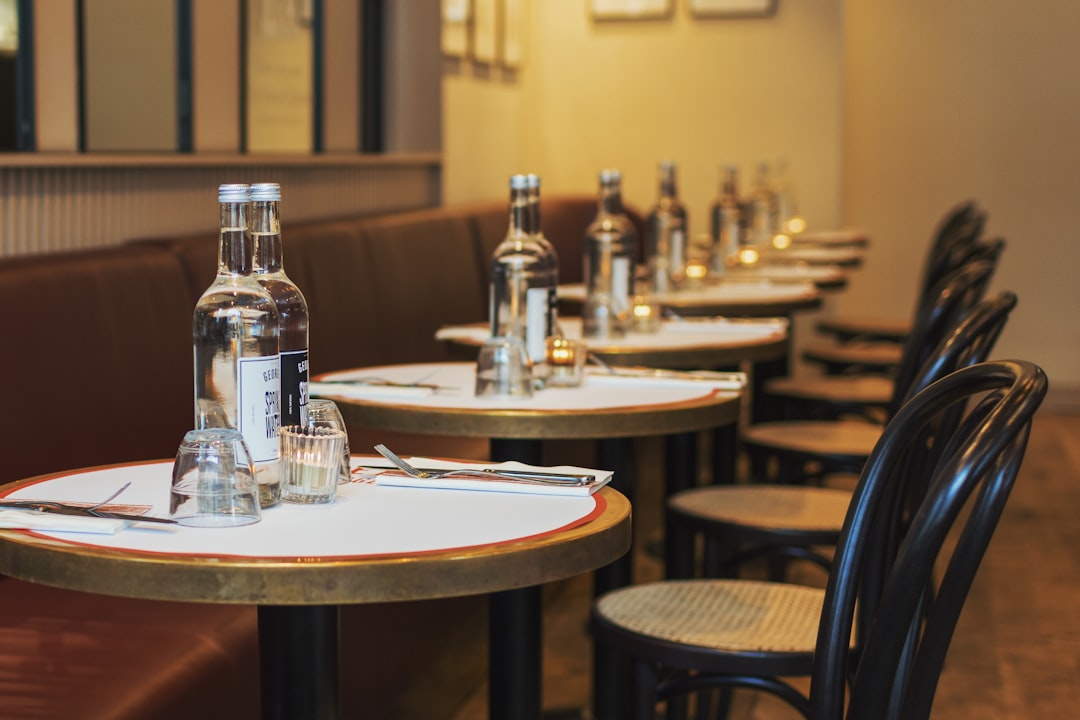
At Chicken Road, we believe that great food and environmental responsibility go hand in hand. Since opening our doors in 2020, we've been committed to implementing sustainable practices throughout our operations. From sourcing ingredients to managing waste, every decision we make considers its environmental impact. Today, I want to share the specific ways we're working to reduce our ecological footprint while continuing to serve the delicious food you love.
Local Sourcing Philosophy
One of our most fundamental sustainability practices is sourcing ingredients locally whenever possible. Our chicken comes exclusively from farms within the Netherlands, reducing transportation emissions and supporting local agriculture. These partnerships with nearby farms mean our chicken travels fewer miles from farm to table, resulting in fresher products and lower carbon footprint.
Working with local suppliers also allows us to verify farming practices firsthand. We've visited each farm we work with, ensuring they meet our standards for animal welfare and environmental stewardship. These farms use natural feeding practices, provide adequate space for chickens to move, and avoid unnecessary antibiotics. This alignment in values means our chicken is not only delicious but produced ethically and sustainably.
Beyond chicken, we source vegetables, bread, and other ingredients from local producers when seasonally available. This supports the regional economy while providing customers with the freshest possible ingredients. Local tomatoes in summer, hearty root vegetables in winter – our menu reflects the natural growing cycles of the Netherlands.
Waste Reduction Initiatives
Food waste is a significant problem in the restaurant industry, but we've implemented several strategies to minimize it at Chicken Road. We carefully track inventory and order quantities based on historical data and predicted demand. This precision prevents over-ordering that could lead to spoilage. Our kitchen team conducts daily quality checks, ensuring proper storage and rotation of all ingredients.
Vegetable scraps, trimmings, and other organic waste are separated and composted rather than sent to landfills. We partner with a local composting facility that transforms our organic waste into nutrient-rich soil used by area farms – closing the loop and returning nutrients to the land that produces our ingredients.
For food that's still safe and quality but might not be sold, we've established relationships with local food banks and charitable organizations. Perfectly good food feeds people in need rather than being wasted. This program has allowed us to donate hundreds of meals to the community while reducing waste.
Energy Efficiency Measures
Our kitchen uses significant energy for cooking, refrigeration, and ventilation. We've invested in energy-efficient equipment that performs excellently while using less power. LED lighting throughout the restaurant reduces electricity consumption by up to 75% compared to traditional bulbs, and our Energy Star-rated appliances use less energy without compromising performance.
Our HVAC system is maintained regularly to ensure peak efficiency. Proper maintenance prevents energy waste from equipment working harder than necessary. We've also installed programmable thermostats that adjust temperatures based on occupancy and time of day, reducing heating and cooling when the restaurant is closed.
Water heating accounts for substantial energy use in restaurants. We've installed on-demand water heaters in strategic locations, eliminating the energy waste of keeping large tanks of water hot constantly. These tankless systems heat water only when needed, significantly reducing our energy consumption.
Packaging and Takeaway Considerations
With increasing demand for takeaway and delivery, packaging waste has become a major concern. We've transitioned to compostable and recyclable packaging for all takeaway orders. Our containers are made from plant-based materials that break down naturally rather than persisting in landfills for centuries like traditional plastics.
We provide utensils and napkins only when requested rather than automatically including them with every order. This simple change has reduced waste considerably – many customers have these items at home and don't need duplicates. When utensils are needed, we offer wooden options that are compostable rather than plastic.
Our bags are made from recycled paper, and we encourage customers to reuse them or recycle them after use. For customers dining in, we use real plates, glasses, and utensils that are washed and reused rather than disposable alternatives. This traditional approach significantly reduces waste compared to disposable servingware.
Water Conservation
Restaurants use substantial amounts of water for cooking, cleaning, and sanitation. We've implemented several water conservation measures to reduce consumption without compromising hygiene or safety. Low-flow faucets and spray nozzles reduce water flow while maintaining adequate pressure for effective cleaning.
Our dishwashing system uses high-efficiency machines that clean thoroughly with minimal water. These commercial dishwashers are more water-efficient than washing by hand, using precise amounts for each cycle. We also practice water-smart procedures like scraping plates before washing and running full loads rather than partial ones.
Regular maintenance prevents water waste from leaks or dripping faucets. Our team conducts weekly checks of all plumbing fixtures, addressing issues promptly. These small leaks can waste thousands of gallons over time, so prevention is crucial for conservation.
Sustainable Supply Chain
Sustainability extends beyond what happens in our restaurant to encompass our entire supply chain. We prioritize working with suppliers who demonstrate environmental responsibility. Our produce suppliers practice sustainable farming, using minimal pesticides and employing soil conservation techniques. Our packaging suppliers offer eco-friendly alternatives and take back materials for recycling.
We've reduced delivery frequency by optimizing order sizes, which means fewer delivery trucks making trips to our restaurant. Consolidating orders reduces fuel consumption and emissions associated with transportation. We also work with suppliers who use fuel-efficient vehicles or route optimization software to minimize their environmental impact.
Staff Training and Engagement
Sustainability practices only work when everyone on the team understands and embraces them. We conduct regular training for all staff members on our environmental initiatives and why they matter. Team members learn proper waste sorting, energy-saving practices, and water conservation techniques. This education ensures consistent implementation of our sustainability policies.
We also encourage staff to suggest improvements. Those working in the kitchen and dining room daily often notice opportunities for greater efficiency or waste reduction. Several of our best sustainability practices originated as staff suggestions, and we reward innovative ideas that reduce our environmental impact.
Creating a culture of environmental awareness extends beyond work practices. We share information about sustainability with our team, helping them understand broader environmental issues and how individual actions make a difference. Many staff members have adopted these practices in their personal lives, amplifying the positive impact.
Community Engagement
We believe sustainability is a community effort. Chicken Road participates in local environmental initiatives and partners with organizations working on sustainability issues. We've sponsored local cleanup events, supported environmental education programs, and participated in community gardens.
We also use our platform to educate customers about sustainability. Menu descriptions highlight local ingredients, and signage explains our environmental practices. Many customers appreciate learning about the efforts behind their meals and feel good supporting a restaurant that shares their values.
Measuring Our Impact
To ensure our sustainability efforts are effective, we track key metrics including energy consumption, water usage, waste diversion rates, and local sourcing percentages. This data helps us identify areas for improvement and measure progress over time. We've seen encouraging trends – waste to landfills has decreased by 40% since implementing our composting program, and energy consumption has dropped 25% despite increased business volume.
These metrics aren't just internal tracking tools – we share this information with our community through annual sustainability reports. Transparency builds trust and demonstrates our genuine commitment to environmental responsibility beyond marketing claims.
Challenges and Ongoing Improvements
Implementing sustainable practices isn't without challenges. Eco-friendly alternatives sometimes cost more initially, though they often save money long-term through reduced waste and energy consumption. Finding suppliers who meet our sustainability standards while maintaining quality and reliability requires ongoing effort.
We also acknowledge we're not perfect. There are areas where we could do better, and we're actively working on improvements. We're exploring renewable energy options for our restaurant, investigating electric vehicle delivery partnerships, and researching ways to further reduce water usage.
Sustainability is a journey, not a destination. As technology improves and new practices emerge, we continue adapting and improving our operations. We view environmental responsibility as an ongoing commitment that evolves as we learn and grow.
Why Sustainability Matters
Beyond the obvious environmental benefits, our sustainability practices align with our core values of quality and community responsibility. We believe businesses have an obligation to operate in ways that protect the planet for future generations. The choices we make today impact the world our children and grandchildren will inherit.
Sustainable practices also make business sense. Reducing waste lowers costs. Energy efficiency saves money on utilities. Local sourcing ensures ingredient freshness and reliability. These practices benefit our bottom line while benefiting the environment – a true win-win situation.
Many customers specifically seek out restaurants that demonstrate environmental responsibility. They want their dining choices to reflect their values, and they appreciate businesses that take sustainability seriously. By committing to these practices, we serve customers who care about more than just taste – they care about impact.
Looking Forward
As Chicken Road continues growing, we remain committed to sustainability. Future plans include installing solar panels to generate renewable energy, implementing a rainwater collection system for irrigation and non-potable uses, and achieving zero-waste-to-landfill status through comprehensive composting and recycling.
We're also exploring how to help customers reduce their environmental impact. This might include incentives for customers who bring reusable containers for takeaway orders or discounts for those who choose to dine in rather than take out, reducing packaging waste.
Your Role in Our Sustainability
While we implement many sustainability practices behind the scenes, customers also play a crucial role. Choosing to dine in rather than ordering takeaway reduces packaging waste. Finishing your meal or taking leftovers home prevents food waste. Supporting restaurants that prioritize sustainability encourages more businesses to adopt similar practices.
We welcome feedback and suggestions from our customers. If you have ideas for how we can improve our environmental practices, please share them. Sustainability is a collaborative effort, and we value input from our community.
Conclusion
At Chicken Road, sustainability isn't a marketing gimmick – it's a genuine commitment woven into every aspect of our operations. From sourcing ingredients locally to composting organic waste, from using energy-efficient equipment to training staff on conservation practices, we continually work to minimize our environmental impact while serving delicious food.
We recognize that running a sustainable restaurant requires ongoing effort, investment, and adaptation. But we believe it's absolutely worth it. Every meal we serve has an environmental footprint, and we're dedicated to making that footprint as small as possible. When you choose Chicken Road, you're supporting a business that cares about more than just profits – we care about our community, our planet, and the future we're all creating together.
Thank you for supporting our sustainability journey. Together, we can enjoy great food while protecting the environment for generations to come.